 Cookie



Taste of a Romanian Summer: Seasonal Foods That Bring Everyone Together (Romania Food Guide)
There’s something magical about summer in Romania, that you can't replicate somewhere else. It’s not just the mountain air, the golden sunflower fields, or the villages glowing in soft evening light. It’s the food. Whether you're driving through the countryside or staying in a local guesthouse, summer in Romania is best served on a plate: colourful, homegrown, shared with loved ones, and soaked in sunshine. Let’s take a journey through the most beloved Romanian summer foods: 8 foods and drinks that aren’t just fuel, but summer rituals that build warm memories passed down through generations.
Quick Snapshot: Romanian summer foods in 60 seconds
- Best time: June–September (peak flavour in August)
- Where you’ll taste them best: countryside guesthouses, farmers’ markets, village gardens, summer barbecues, roadside stalls
- The 8 must-try summer rituals: watermelon, corn, summer salad, roasted aubergine dip, roasted/stuffed peppers, zacusca, gratar, summer drinks like socata
1. Watermelon (pepene verde), the official dessert of summer
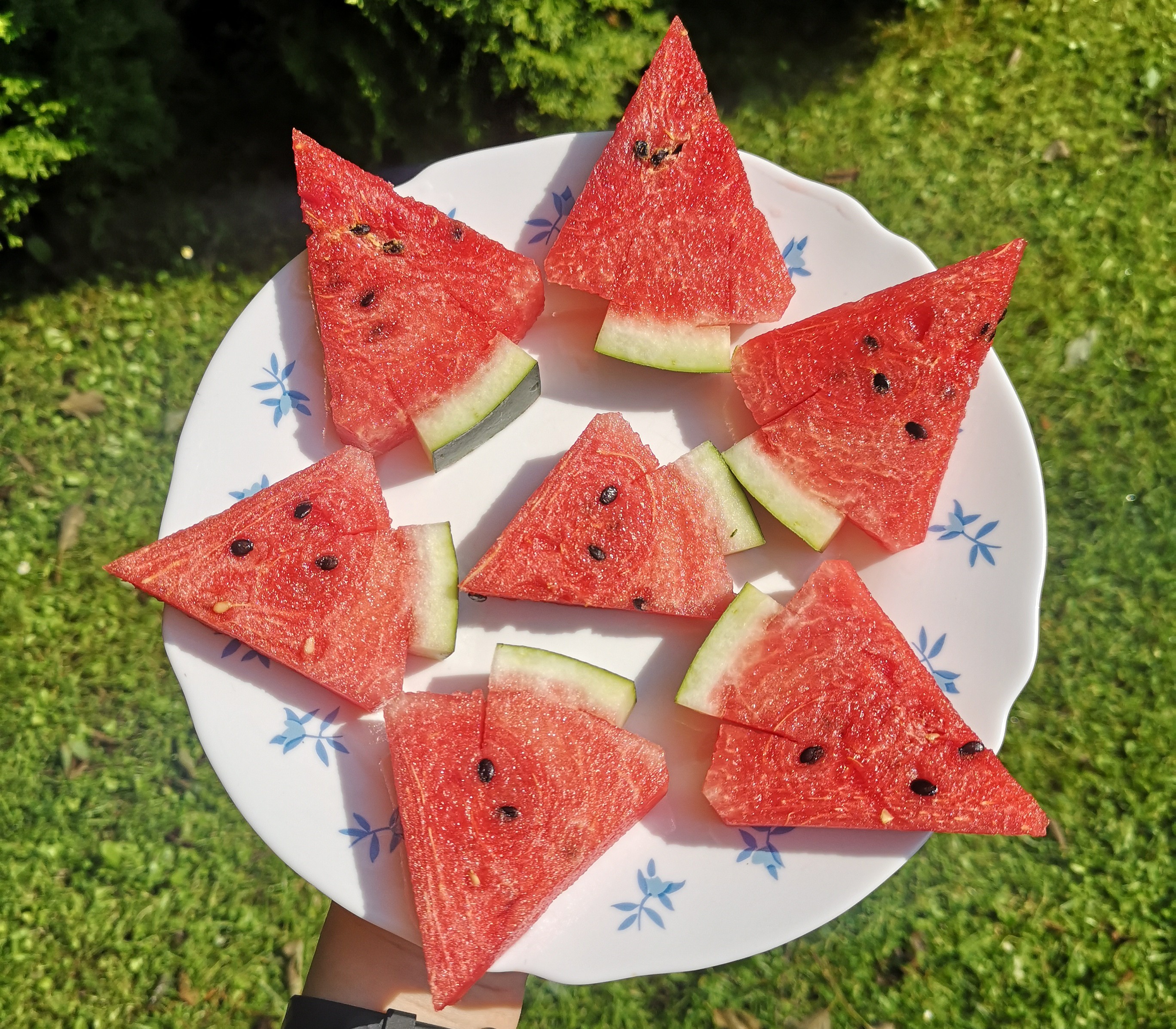
Every Romanian summer ends with sticky fingers and sweet watermelon juice running down your chin. It’s the iconic seasonal treat that gets sliced open in the garden in the heat of lunch time, or is brought cold to the dinner table after a long barbecue. No summer meal is complete without it.
Where to find it:
-
roadside stalls on countryside drives
-
farmers’ markets in Romanian towns and cities
Eat like-a-local tip: Romanians sometimes eat it with a slice of salty cheese or even BREAD for contrast. Don’t knock it till you try it!
2. Corn on the cob (porumb fiert sau copt)
Corn season starts in mid-summer, and it’s a staple snack across Romania. The smell alone evokes long childhood evenings spent outside until the sun disappears...and it’s one of those easy summer meals that takes no effort but delivers full flavour, especially when paired with butter or a sprinkle (or should we say sparkle) of salt.
Whether it’s boiled or grilled, sold on the street corner or prepared at home during a backyard gathering, sweet corn is our classic comfort food. The boiled version though is definitely the most popular in Romania.
How to make it:
- add whole or cut in half corn cobs to salted water
- simmer for 20–30 mins until golden
- the secret is to add corn leaves to the bottom of the pan, as well as on top
- cover the corn with a small lid which fully sumberges it in the water
Guaranteed it's going to deliver a much more flavourful taste!
3. Tomato, cucumber & cheese salad (salată de vară)
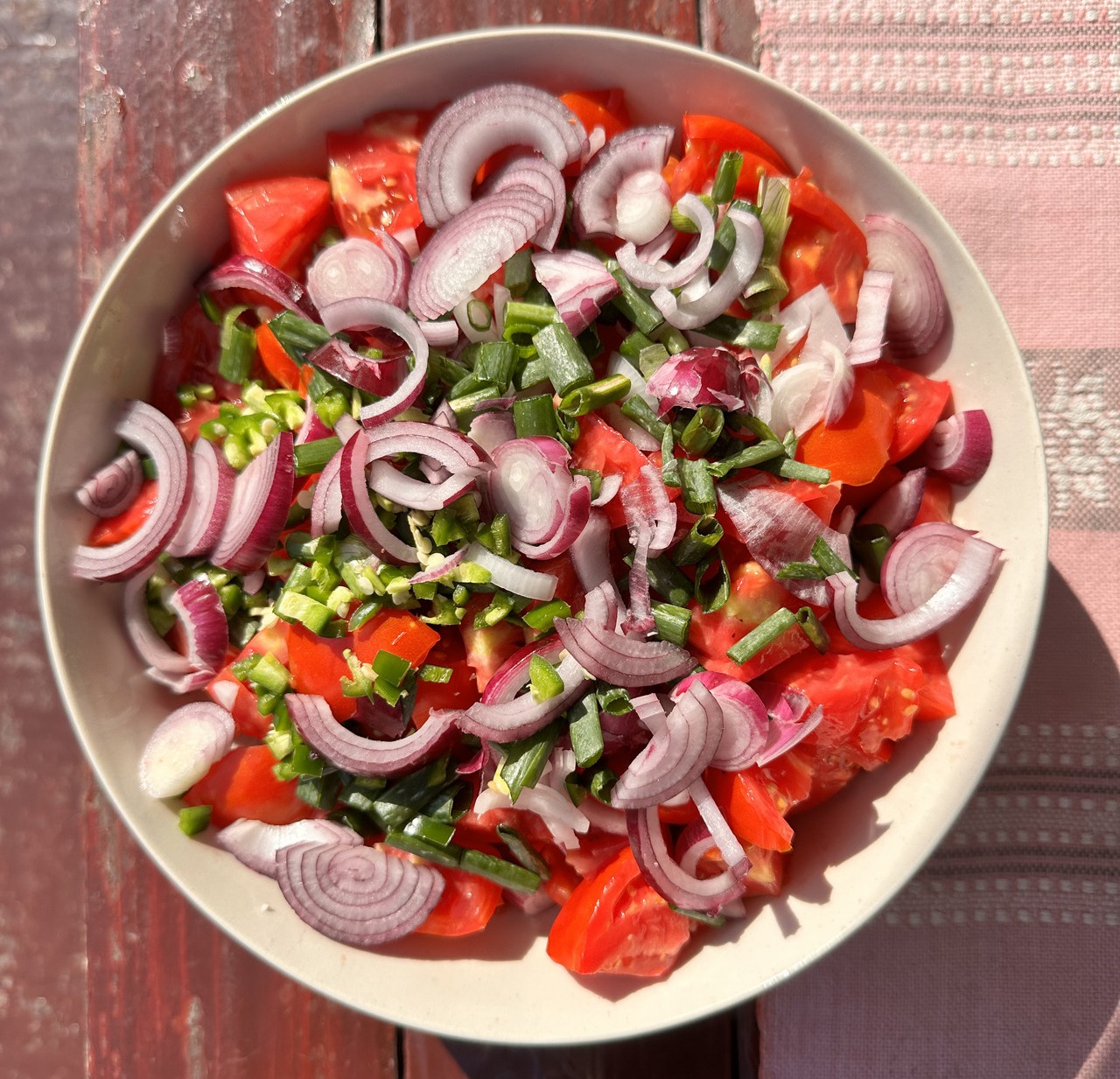
This might be the most Romanian of all summer salad recipes, and it's SO SIMPLE!
It includes only juicy tomatoes (from the garden), crisp cucumbers (also from the garden), shallots (guess what, from the garden too) and crumbly white cheese (telemea from the shepherd in the market), all drizzled with a touch of sunflower oil and white wine vinegar.
It’s our go-to easy summer lunch or dinner, often thrown together in minutes to accompany grilled meats or eaten on its own with bread.
Locals will tell you: nothing beats the taste of Romanian tomatoes in August, and that moment when eveyone is fighting for the last piece of vinagrette-soaked bread (yum!).
How to prepare it:
-
Chop 2–3 ripe tomatoes and 1–2 cucumbers
-
Crumble a generous handful of telemea or feta-style cheese
-
Add thin slices of shallots
-
Dress with sunflower oil and a splash of white wine vinegar
-
Serve with crusty bread or as a side to grilled meats
4. Roasted aubergine dip (salată de vinete)
Romanian aubergines are a thing of beauty - smoky, tender, and blended into a soft dip with oil, lemon, tomatoes and shallots and optionally mayo too (think babaganoush, but fresher!).
This dish is almost a summer ritual in itself, as usually families gather to roast piles of aubergines on open flames, peel them, and store portions in the freezer for winter (although let's be honest, many of those don't usually make it till winter!). If you’re lucky enough to be around during the prep, you’ll not just eat well, but you’ll also feel part of this process.
The classic recipe has some non-negotiable steps which unfortunately so many recipes nowadays prefer to skip or replace with faster and more convenient tools - but it just doesn't deliver the same taste. For example, aubergines need to be roasted directly on fire or grill until blackened and soft - NOT in the oven.
Then, they need to be covered with kosher salt (i.e. coarse grain salt) and a lid, and left to cool down a little on their own. Once they're cool enough to touch them, they need to be peeled carefully, trying to not break the skin (which shouldn't happen if the aubergine was grilled enough).
The secret though is in the next two steps: 1) the aubergines shouldn't be washed too much - just enough to remove any unwanted seeds, as all the delicious smoky flavour would be lost; and 2) they should be chopped roughly with a wooden knife to preserve their flavour and avoid over-mushing them too much.
You want to really feel the texture of the aubergines - so forget about using any type of blender or mixer for this step! Lastly, the chopped aubergines are mixed with oil, salt, a splash of lemon juice (stirred again with a wooden spoon), then chopped shallots and tomatoes are added-in for a fresh and tangy feel.
Of course, you can ignore the steps above and roast them in the oven, chop with a blender and skip the tomatoes and onion - but that wouldn't be a Romanian dish!
How to serve:
-
cold over toasted bread
-
as a main for breakfast or as lunch and dinner appetizer
-
in local guesthouses or traditional restaurants for best flavour
-
when aubergines are peak-season (July–September)
5. Roasted and stuffed peppers (ardei copți și ardei umpluți)
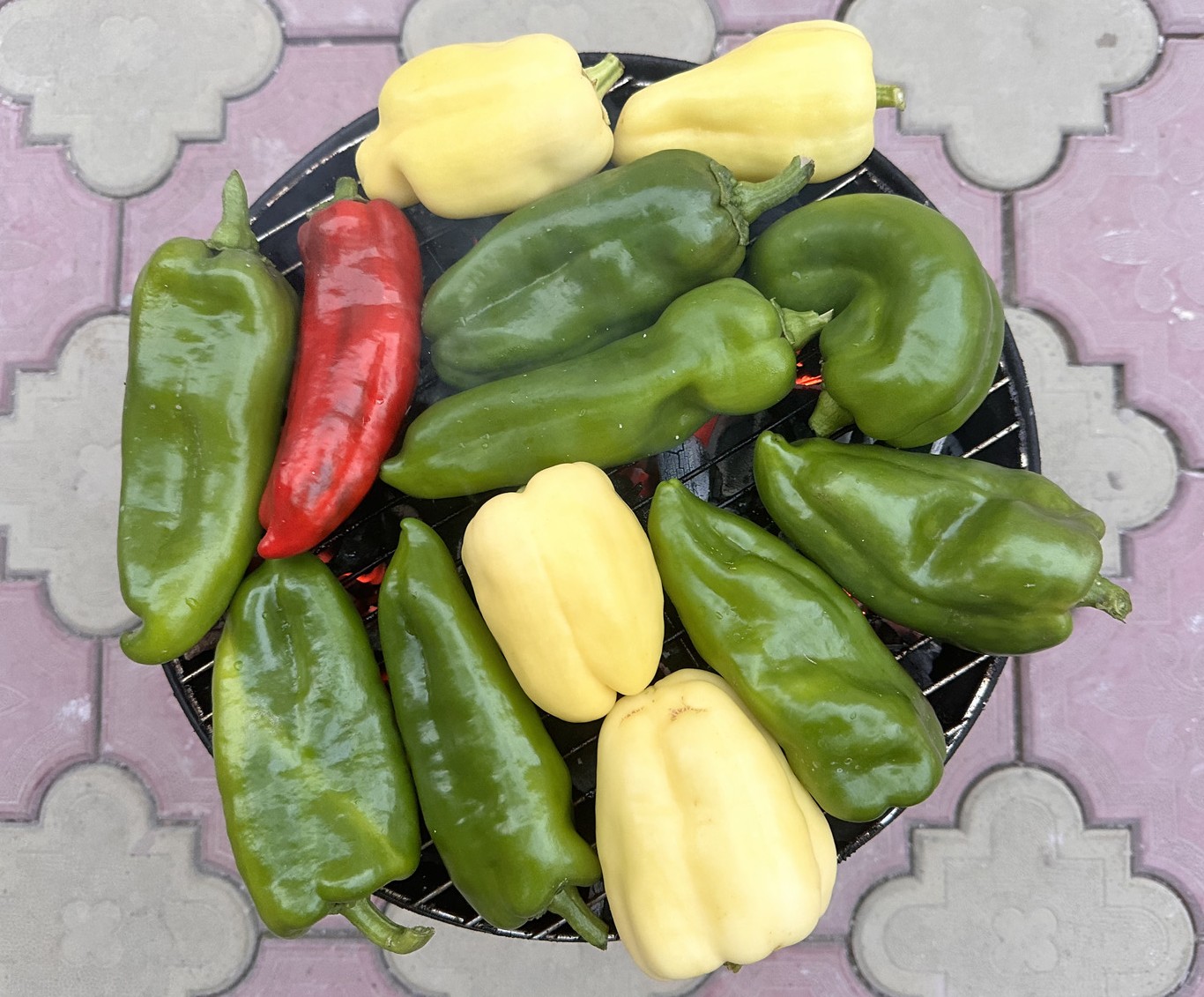
The short and tiny pale-yellow peppers (similar to Turkish varieties) are another Romanian summer staple, and you'll find them in two iconic dishes: a cold roasted pepper salad that accompanies most summer meals, and stuffed peppers served as a full comforting lunch.
Roasted pepper salad (ardei copti)
For the roasted pepper salad, the peppers are charred whole, directly on the grill or flame (just like the aubergines), until the skin blisters and blackens.
The same process with the Kosher salt needs to be followed prior to peeling, to ensure the pepper skin is not broken. And when peeling, just as above, there is no need to overwash or even to cut them open to take out the seeds, as this will diminish the smoky flavour (you can get rid of the seeds pretty easily when ready to be served, just by making a small cut in the bottom, and the juice with seeds will slide right out).
Once peeled, place them in a shallow dish that has a lid, and mix them with a bit of pressed garlic and white wine vinegar which will combine perfectly with the smoky pepper juice into a delicious vinagrette.
Eat like-a-local tip: chill them before serving - the longer they sit, the more flavour-infused they'll be!
Stuffed peppers (ardei umpluti)
As for the stuffed peppers, this one's a warm comfort dish for the colder and rainy summer days. And to make this you will need a few more ingredients like ground pork or beef mixed with rice, sauteed onion, dill, parsley, salt, pepper, and tomato paste as you please.
The fun part here is in stuffing each pepper individually with the filling made out of the ground meat, sauteed onions and rice, and placing them standing up into a pot filled with a mixture of tomato sauce, bay leaves and water.
The key is to add sauce to cover at first, then let it decrease and thicken as you simmer the peppers on low heat. This dish can't really be hurried, and it takes some 45-60 mins to finalise in total!
Eat like-a-local tip: replace the lid for an aluminium foil cover and bake them in the oven for the last 15-20 mins. Trust us, it's SOOO WORTH IT!
Once fully-cooked, serve them hot with a spoonful of thick sour cream on the side and some bread to dip into that delicious tomato sauce and cream mixture.
Where to find each
- roasted pepper salad: pretty much traditional restarants everywhere
- stuffed peppers: home-made style eateries and gastro local kitchens
6. Zacuscă: summer in a jar
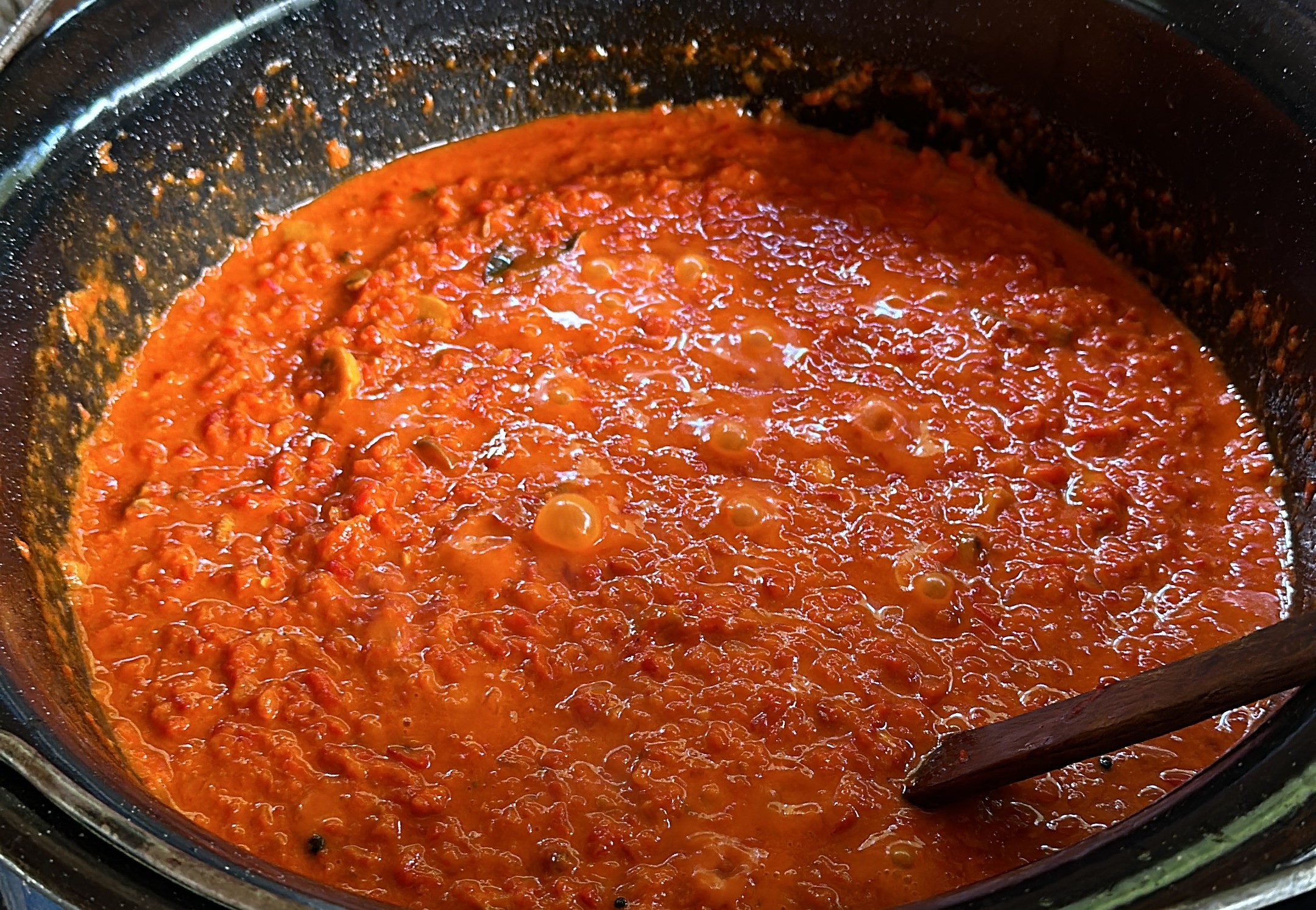
Zacuscă is Romania’s crown jewel of seasonal preservation. It’s a slow-cooked vegetable spread made with roasted aubergine, peppers, onion, and sometimes mushrooms. And it’s not just food, since it's made only ONCE A YEAR, it’s a labour of love and care for the whole family.
In late August and early September, everyone from grandparents, parents, children, sometimes even cousins and aunts/uncles come together at the countryside ancestral home to make zacuscă for winter. So naturally, it gets loud, messy, busy, but it smells SO DIVINE.
And it’s a powerful act of togetherness that ties generations together. The process isn't very complicated, but let's just say that the whole family working on it is not a coincidence, but a practical choice, given the ENOURMOUS amounts that this is usually produced in - think around 30-40 batches of jars per family.
So you can get a feel of what it involves, here's the complete list of ingredients: roasted aubergines, roasted bell and pointy red peppers, onion, tomato paste/boiled tomatoes, sunflower oil, bay leaves, pepper, and salt (+mushrooms if preferred).
And the steps, although might seem quite straightforward, do take their time.
How to make it:
-
Roast all vegetables directly on the flame or grill
-
Peel and gently wash them to get out the seeds - yes, you really need to make sure you remove all of them now!
-
Chop everything - we use a meat grinder/mincer, with a small size plate so the paste remains soft
-
The magic happens! Slow-cook everything in a large pot 2–3 hours at least, adding oil as needed and stirring constantly
-
Sterilise the jars, add in the spread while hot, seal and water-bath to preserve
In the end, we get one of the most delicious vegetable spreads you'll ever try. If you've ever had the Croatian ajvar or the Bulgarian lutenitsa, this is similar, but much richer in flavour because of the vegetable mix!
Simiar to the aubergine dip, it's a breakfast staple food, but can also be served alongside salty cheese, some fresh onion and pork slanină (solidified fat with bacon strips) on our traditional appetizer plates.
7. The holy barbecue (grătar)
Romanians love a summer grill, and it would just not be the same without it! Whether in a backyard, a forest glade, or beside a mountain stream, grătare (barbecues) are where friendships are built (or destroyed depending on the amount of alcohol involved...) and laughter flows.
Think juicy mici / mititei, smoky veggies, and heaps of bread, mustard, garlic sauce with pickles on the side.
Barbecue isn’t just a cooking method, it’s a social event, often lasting all afternoon and night! What's more, it usually involves A LOT of music and games (like cards, backgammon, badminton or foot volley) - all turning into a day-long picnic outing.
Where to experience it:
- local street food festivals or celebrations (e.g. Ravasitul oilor, Brasov Street Food Festival)
- terraced traditional restaurants in the countryside or wide outdoor city spaces
- picnic areas (designated grilling spots in parks) or at local guesthouses
8. Summer drinks (a.k.a. Romanian summer cocktails)
Lastly, the homemade drinks (of course, they're not food, but could you imagine not pairing such delicious food with some refreshing drinks?)! And who says cocktails need alcohol?
Here’s what Romanians sip on in summer:
-
Socată – a fermented elderflower lemonade that’s tangy, floral, and totally refreshing. It’s homemade in huge jars and best enjoyed ice cold
-
Cold sour cherry juice (vișinată fără alcool) – tart, sweet, and sometimes spiced
-
Mint or lemon balm infusions – cooled and poured over ice, sometimes with honey
They’re natural, hydrating, and packed with childhood nostalgic flavours, the kind of summer drinks you crave all year round.
Is your mouth watering already?
Romanian summer food isn’t just about what's on the table, most of the time it's about how it gets there. It’s about picking tomatoes from the garden, shelling beans with your grandmother on the side of the village road, grilling in the forest (but only in specially-designated areas, because safety comes first!), or making zacuscă with your family.
It’s about food that feeds the soul, cooked slowly, harvested seasonally, and shared with all your loved ones. So if you’re planning a trip to Romania, COME HUNGRY. And come curious, so you don’t miss the summer flavours that bring people all together!
Looking to explore Romania’s food culture on your next trip?
Check the authentic food experiences that we embed as part of our day trips and multi-day trips, or even better - let us build you the most flavourful trip ever with a bespoke tour!
FAQs: Romanian summer food and seasonal specialties
When is the best time to visit Romania for seasonal summer food?
June to September, with peak flavour in August when tomatoes, peppers, and watermelon are at their best
Where can travellers try authentic Romanian summer food?
Farmers’ markets, countryside guesthouses, family-run eateries, village/town events, and outdoor barbecues
What is telemea?
A salty white brined cheese (often sheep or cow milk), commonly used in summer salads and eaten with watermelon
What is zacusca similar to?
It’s similar to ajvar or lutenitsa, but usually richer because it combines roasted aubergine, peppers, onion, and tomato
What are mici / mititei?
Skinless sausages made of minced pork or a combination of pork and beef or beef and lamb, just like the Balkan cevapi. They look like smaller Turkish kebab, but feel much softer thanks to its secret ingredient (come try them to find it out!).
Is Romanian summer food vegetarian-friendly?
Very—many staples are vegetable-based (salata de vinete, zacusca, roasted peppers, tomato salad), with grilled meat optional